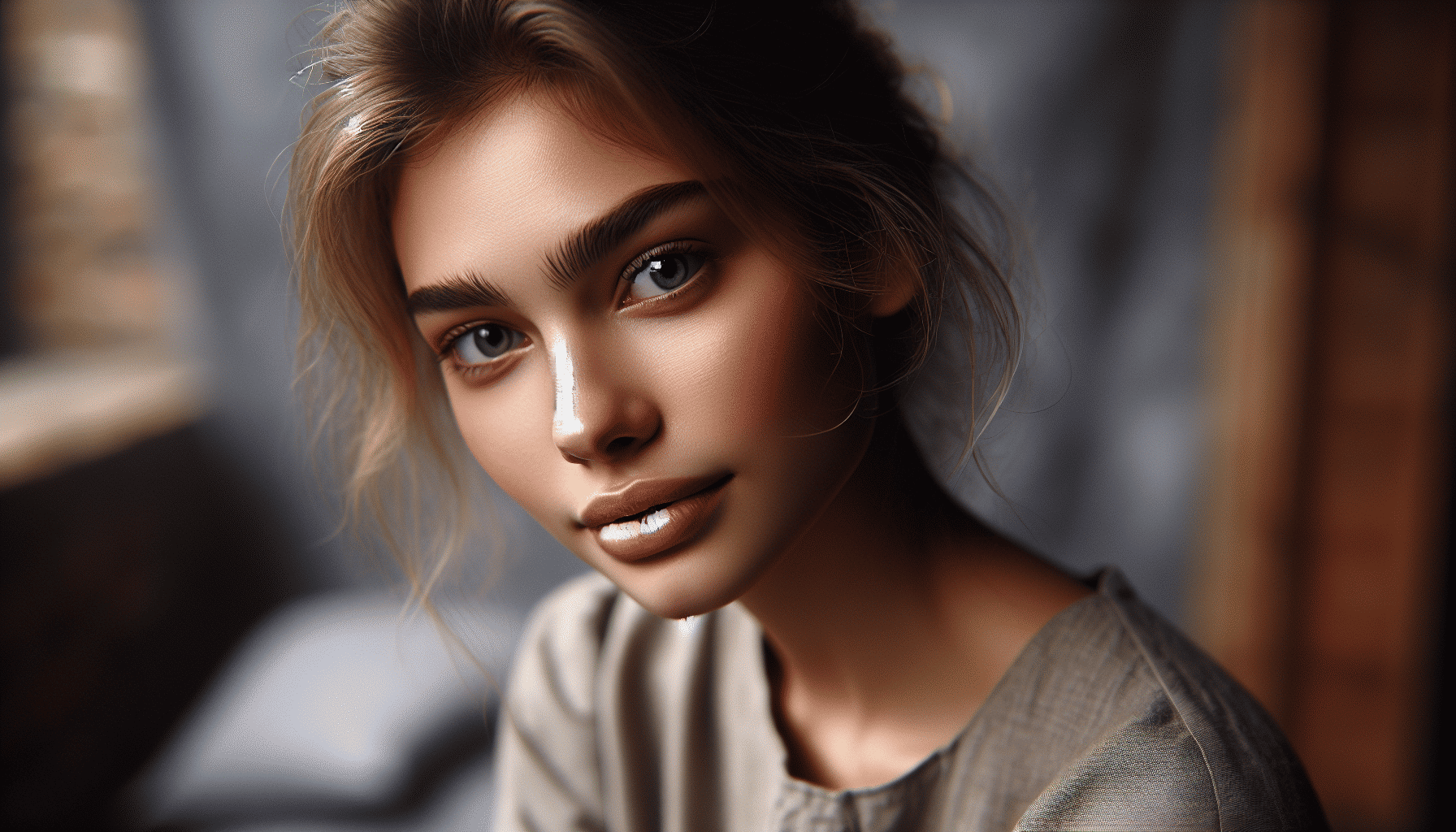
To achieve stunning portraits, mastering the fundamental camera settings is essential. Portrait photography thrives on capturing the essence of the subject while highlighting their features in the best possible light. Here’s how to get started:
Aperture
Aperture is a critical setting as it controls the depth of field and the amount of light entering the camera. For portraits, a wide aperture, often marked by a low f-number (like f/1.8 or f/2.8), is ideal. This creates a shallow depth of field, blurring the background and keeping the focus on the subject. It also allows more light to hit the sensor, which can be useful in dim settings.
Shutter Speed
Shutter speed determines how long the camera's shutter stays open to expose light onto the camera sensor. In portraiture, the key is to ensure sharpness while avoiding any motion blur unless creatively intended. A general guideline is to keep the shutter speed at or above 1/200th of a second if the subject is relatively still. However, if you're shooting in natural light and need more exposure, slightly lower speeds can be used with caution.
ISO
ISO controls the camera’s sensitivity to light. A lower ISO setting (like ISO 100 or 200) is preferable for portraits as it maintains clarity and minimizes noise. This is particularly effective in well-lit environments or when using studio lighting. In lower light conditions, increase the ISO gradually, monitoring to ensure the image maintains a smooth, clean look.
Lighting Considerations
Lighting plays a pivotal role in portrait photography. If shooting outdoors, consider the golden hour – just after sunrise or before sunset – for soft, diffused light. When indoors, utilize natural window light or bounce artificial light off a reflector for an even spread. Adjust your camera settings accordingly to capture the most flattering light on your subject’s face.
White Balance
For true-to-life skin tones, setting the correct white balance is crucial. While auto white balance can be helpful, manual adjustment allows for more control. A setting like 'Daylight' or 'Shade' can be more consistent in certain lighting conditions. Always review your images and adjust accordingly to ensure the skin tones look natural.
Focus
Achieving sharp focus on the eyes is vital in portrait photography. Many cameras offer eye-detection autofocus, which simplifies this task. If your camera supports it, ensure it’s activated and fine-tuned. Alternatively, using a single focus point and manually selecting the subject’s eye is another reliable method.
Composition
While camera settings are foundational, composition elevates a portrait. Consider the rule of thirds, leading lines, and the use of negative space to add depth and interest. Engage with the subject to capture authentic expressions and enhance the overall image.
By understanding and manipulating these settings, photographers can create portraits that not only capture the subject’s appearance but also their personality and mood. Continuous practice and experimentation with different settings and environments will further hone your skills, resulting in unforgettable portraits.