Landscape photography is a captivating pursuit that thrives on the artful use of natural lighting. Understanding how to manipulate and embrace different types of light can dramatically enhance the mood, depth, and overall composition of your images. In this article, we delve into essential tips for utilizing lighting at various times of day and in diverse weather conditions, enabling you to elevate your landscape photography skills.
Golden Hour Magic
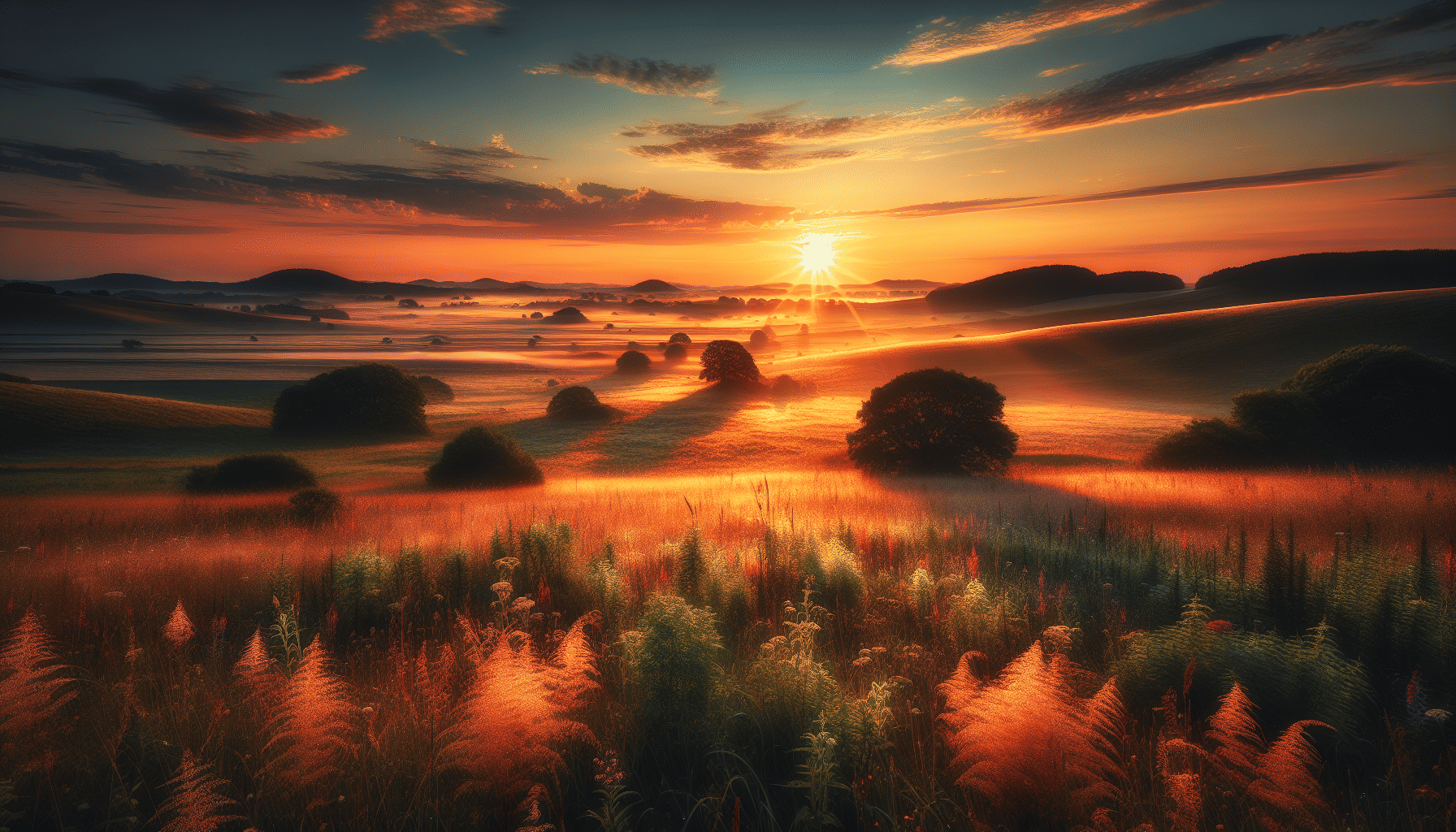
The golden hour, occurring shortly after sunrise and before sunset, is a treasured time for landscape photographers. During this period, the sun casts a warm, soft glow that beautifully illuminates scenes without the harshness of midday light. The low angle of the sun creates long shadows, adding depth and texture to your images. Experimenting with backlighting during this time can create stunning silhouettes against vibrant skies.
Blue Hour's Tranquility
Blue hour, the twilight period before sunrise and after sunset, offers a serene atmosphere often overlooked. The sky takes on a rich, deep blue hue, and the landscape is softly enveloped in a gentle, diffused light. This time is perfect for capturing reflections in water or experimenting with long exposures to smooth out waves or clouds.
Midday Challenges
While often dismissed by photographers due to the harsh, direct light, midday offers unique opportunities. The bright light can be advantageous in highlighting the vibrancy of colors in a scene. Look for natural shade to soften shadows or use this time to shoot in forests, where the dappled light can create enchanting patterns on the ground.
Overcast Days
Cloudy weather might seem daunting, but it provides a naturally diffused light that is ideal for capturing even textures and colors without the stark contrasts of sunny days. Overcast skies are perfect for waterfall or forest photography, as the soft light reduces glare and brings out intricate details. The dramatic clouds also make for compelling backdrops in wide landscape shots.
Weather Transformations
Incorporating weather elements can add a dynamic layer to your photographs. Rain, fog, or snow introduces mood and a sense of movement to a scene. Fog, in particular, can simplify a composition by obscuring distracting elements and adding mystery. Be patient and observe the environment – often, the most dramatic lighting conditions occur as a storm clears or the sun breaks through dense fog.
Embracing Sunrise and Sunset
Sunsets and sunrises are quintessential moments for landscape photography, providing a kaleidoscope of colors and evolving light conditions. A pre-dawn or post-sunset glow can impart a dreamy quality to your compositions. Keep in mind the direction and angle of light to maximize the impact of shadows and highlights on the landscape.
Practical Tips for Capturing Light
-
Scout Locations: Familiarize yourself with potential shooting sites at different times of day to anticipate how light transforms them.
-
Patience and Timing: Be prepared to wait for the perfect moment when the light and environment align harmoniously.
-
Experiment with Filters: Use neutral density or polarizing filters to control reflections and enhance color saturation.
-
Explore Angles: Move around your subject to find unique perspectives where the interplay of light and shadow is most effective.
-
Learn Post-Processing: Post-processing software can further enhance the natural qualities of light captured in your photos, without distorting their authenticity.
Harnessing natural light in landscape photography is both an art and a science. By understanding and working with the changing light throughout the day and in diverse weather conditions, you can create compelling photographs that resonate with viewers and convey the beauty and drama of the natural world.