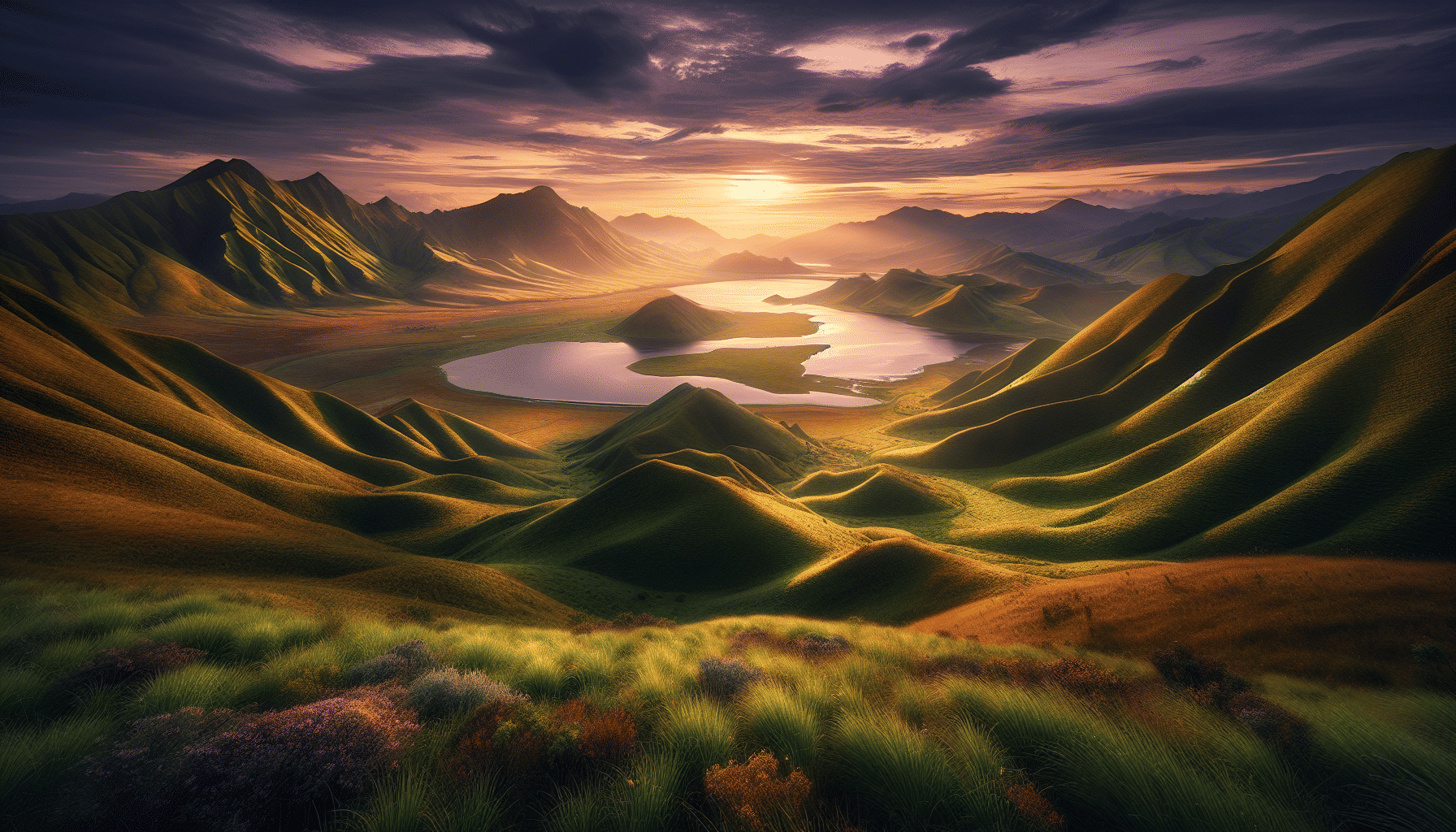
When it comes to capturing the true essence of nature, landscape photography offers an expansive canvas of creativity and exploration. Immersing oneself in the world of landscapes means delving into the art of composition, understanding the significance of lighting, and perceiving perspectives that bring out the soul of a scene.
One of the fundamental aspects of landscape photography is composition. It's the skillful arrangement of elements within a frame that transforms a simple capture into a masterpiece. To achieve a compelling composition, consider the rule of thirds, a technique where the image is divided into nine equal parts using two horizontal and two vertical lines. Positioning the most crucial elements along these lines or at their intersections can create balance and dynamism in your photograph. Additionally, leading lines, such as paths or rivers, guide the viewer’s eye through the image, adding depth and interest.
Lighting plays a crucial role in any form of photography, but in landscapes, it can dramatically change the atmosphere and emotion of an image. The golden hours, shortly after sunrise and before sunset, bathe landscapes in warm, soft light that enhances colors and textures. This lighting can add character to hills, mountains, and fields, resulting in stunning, vibrant imagery. Conversely, shooting during blue hour – the twilight period – can impart a serene, mystical quality to your photos. Understanding and harnessing these lighting conditions can elevate your landscape captures to new heights.
Perspective, often overlooked, is another powerful tool in a photographer's arsenal. Exploring different angles and vantage points can turn a familiar scene into something extraordinary. A low angle can make a subject appear more imposing, while a high angle might reveal patterns or paths unseen from eye level. Don’t hesitate to move around, climb higher, or get down low to discover perspectives that evoke emotion and tell a story.
To master landscape photography, practice and patience are key. Spend time in nature, observe how the light changes throughout the day, and experiment with different compositions and perspectives. By immersing yourself in the environment and experimenting with these techniques, you’ll develop an eye for frames that capture the breathtaking beauty of the landscapes around you. Embrace the journey of exploration, and let the natural world unveil its wonders through your lens.