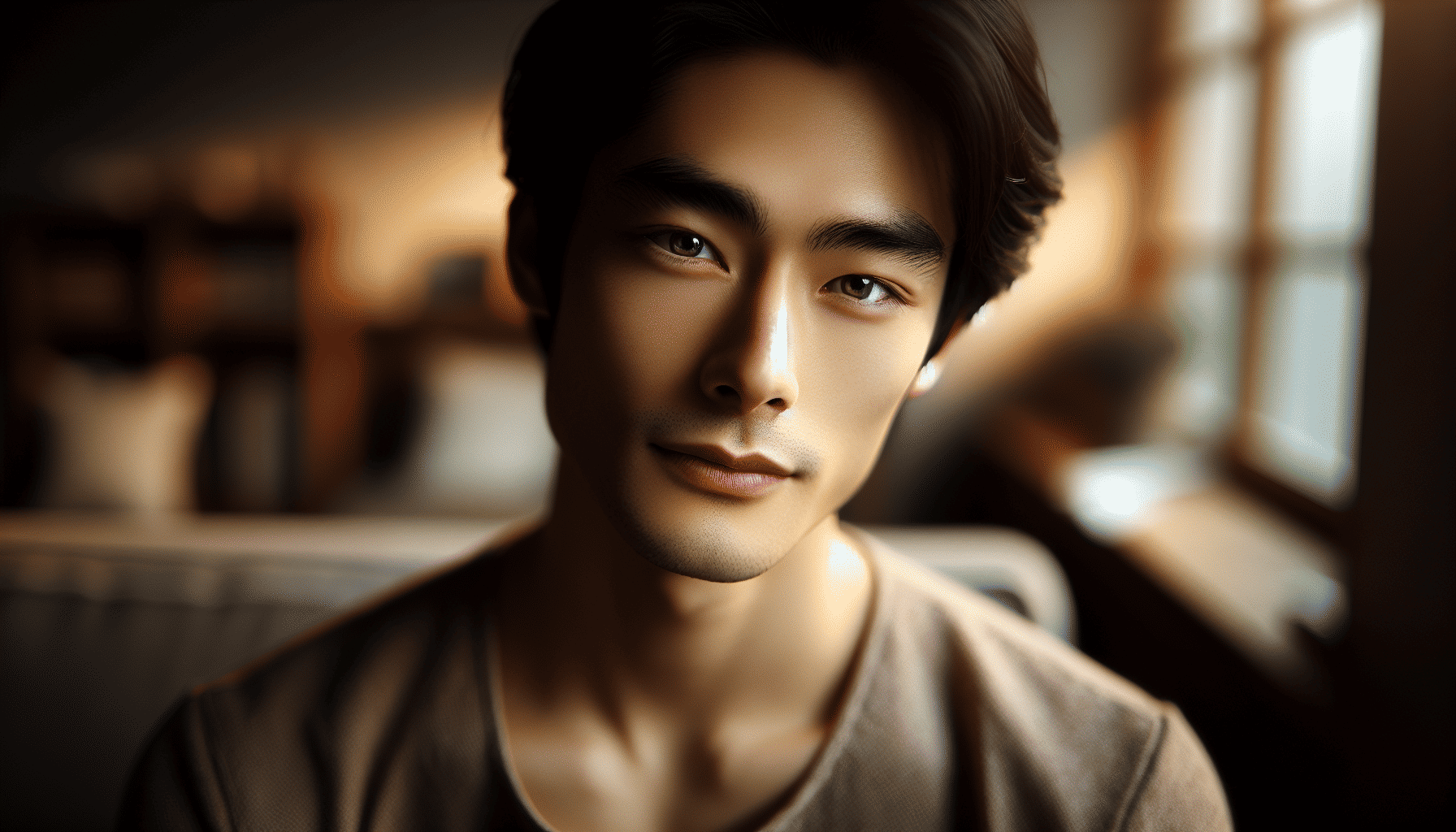
Portraiture is a fascinating genre of art that focuses on capturing the unique essence and emotion of an individual or group. This delicate art form seeks not just to replicate physical characteristics, but to delve deeper into the character and spirit of the subject. A successful portrait resonates with viewers, creating a lasting impression and emotional connection. Here, we explore various techniques and approaches that can help artists create portraits that are both authentic and compelling.
Understanding the Subject
The first step in creating a meaningful portrait is understanding the subject. Spend time with them, observe their mannerisms, listen to their stories, and get a feel for their unique personality. Consider what makes them distinct and how their life experiences shine through their expressions and posture. This understanding will guide you in portraying their true essence.
Lighting and Composition
The way light falls on a subject can dramatically change the mood and impact of a portrait. Soft, diffused lighting often creates a gentle and introspective mood, while stark, directional light can add drama and intensity. Experimenting with different lighting setups can help you find the right ambiance to complement your subject's personality.
Composition is equally crucial. Consider the rule of thirds, leading lines, and framing techniques to draw the viewer’s eye. Remember that composition can be used not only to highlight the subject but also to incorporate elements of their environment, adding depth and context to the image.
Capturing Emotion
Emotion is the heart of a portrait, providing depth and intimacy. Encourage your subject to express genuine emotion during the session. Sometimes, candid moments capture the most authentic emotions. Encourage them to think or talk about a meaningful experience, or simply engage them in a relaxed conversation. Patience is key, as these genuine moments can arise unexpectedly.
Use of Color and Texture
Colors can evoke particular feelings and highlight aspects of the subject's personality. Warm tones often convey comfort and warmth, whereas cooler tones can suggest calmness or introspection. Experiment with the use of color in clothing, background, or even in post-processing to enhance the emotional tone.
Texture adds another layer to portraits, giving them a tactile quality. It could be the texture of a person's skin, their clothing, or even the background. Pay attention to how these elements interplay with light and shadow to enhance the overall impact of the image.
Cultural and Personal Context
Incorporating cultural elements or personal items that are significant to your subject can infuse their portrait with a rich story. Whether it’s a piece of jewelry, traditional attire, or a setting that holds personal value, these components can contribute to a meaningful portrayal that resonates on a deeper level with both the subject and the viewer.
Continuous Learning and Experimentation
Finally, the art of portraiture, like any form of art, is an ongoing journey of exploration and growth. Study the works of master portrait artists, both historical and contemporary, to gain insights into various styles and techniques. Experiment with different approaches in your own work to discover what resonates with you and your subjects.
In conclusion, portraiture is a delicate dance between the artist and subject, capturing not just a likeness but a piece of the subject's soul. By understanding your subject, experimenting with lighting and composition, capturing emotion, and incorporating meaningful context, you can create portraits that speak volumes and leave an enduring impression.